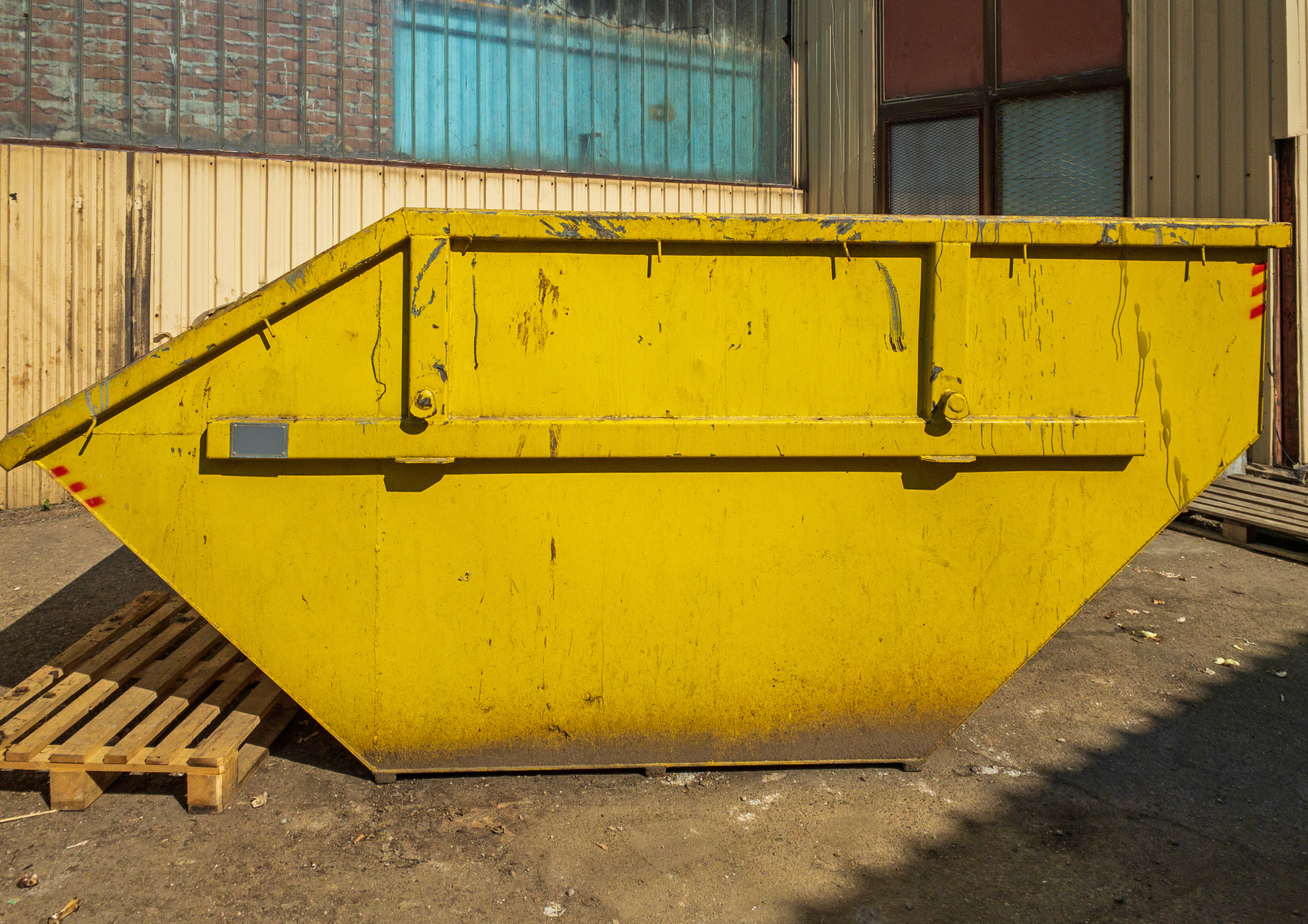

Hiring a Skip When Moving House and Clearing Unwanted Items
Moving home involves much more than packing belongings and arranging transport. It is also an opportunity to sort through possessions accumulated over the years and decide what genuinely needs to travel to the new property. Furniture, damaged household items, old fittings, garden materials and general clutter can quickly create a considerable amount of waste. Hiring a skip provides a practical way to keep this material together while allowing the clearance to progress in an organised manner.
For homeowners and tenants, dealing with unwanted belongings before moving can reduce the number of boxes and larger items that need to be transported. Landlords may also need an efficient solution when preparing a property between occupancies, while surveyors, property managers and local authorities can encounter similar requirements when overseeing residential or commercial premises.
In Preston, properties range from smaller homes with limited outdoor space to larger residential and commercial premises where substantial clearances may be required. Considering access, available space and the likely amount of waste before work begins can make the process considerably easier. The same principles apply in other locations: careful preparation, sensible sorting and choosing suitable waste removal arrangements can help prevent the clearance from becoming an unnecessary source of stress during an already busy move.
Planning Waste Removal Before Moving Day
A house move is easier to manage when unwanted belongings are dealt with before removal day arrives. Leaving everything until the final few days can result in cluttered rooms, rushed decisions and unnecessary items being transported simply because there was not enough time to sort them properly.
People searching for skip hire near me should consider more than proximity alone. The amount of waste, available placement space, expected hire period and accessibility for delivery vehicles should all be considered before making arrangements.
Start with a Room-by-Room Assessment
- Walk through each room and identify belongings that will definitely move to the new property.
- Separate unwanted items from possessions that can be reused, donated or passed to somebody else.
- Include cupboards, lofts, garages, sheds and storage areas that may have been overlooked during everyday use.
- Avoid leaving rarely used rooms until the final stage of the move, as these areas can contain more accumulated belongings than expected.
Consider Bulky Household Items
- Old furniture, damaged storage units and unwanted fittings can occupy significant space.
- Measure larger items where useful so that their likely waste volume can be considered when selecting a container.
- Break down suitable items carefully where this can be done safely, as this may make better use of the available capacity.
- Check what materials can be accepted before loading rather than assuming every unwanted household item can be placed inside.
Plan Around the Moving Schedule
- Arrange the clearance early enough to avoid competing with packing, cleaning and removal activities.
- Consider which rooms need to be cleared first and work through the property in a logical order.
- Keep important documents, keys and moving essentials away from areas being used for waste.
- Allow enough time to review belongings properly rather than making rushed decisions immediately before leaving.
Check Access and Placement
- Identify a suitable location before delivery and consider whether the space needs to remain accessible for removal vehicles.
- Think about driveways, entrances, parked vehicles and other potential obstructions.
- If placement on public land may be necessary, establish the relevant local requirements beforehand.
- Ensure the chosen position does not unnecessarily obstruct people using the property during the move.
Good preparation makes it easier to estimate how much waste will actually need removing. It can also prevent useful belongings from being discarded simply because everything has been mixed together during a hurried clearance.
Sorting Household Items Before They Become Waste
One of the most useful steps during a house move is separating possessions into clear categories. Not everything that will not be taken to the new address necessarily needs to be thrown away. Furniture in usable condition, household accessories, books, clothing and other belongings may have another useful destination.
A simple approach is to create separate areas for items being moved, donated, sold, recycled or disposed of. This makes progress visible and prevents unwanted belongings from becoming mixed with packed possessions. Labelling boxes and keeping disposal items in a designated area can be particularly helpful when several people are working on the property at the same time.
When considering skip bin hire, customers should think about the types of material generated rather than focusing only on overall volume. Different clearance projects can produce very different waste streams, and checking what can be placed in the container before loading helps avoid problems later.
Moving home may also involve minor improvements before the property is handed over. Removing shelves, replacing damaged fittings, clearing a garden or completing small decorating tasks can create additional material that was not included in the original estimate. Allowing for this possibility when planning waste removal can reduce the risk of running out of space.
Landlords preparing rental properties face similar considerations. Previous occupants may leave unwanted furniture or general household materials behind, while routine maintenance can add further waste. An organised clearance provides contractors and cleaners with better access and helps prepare the property for its next use.
Commercial premises can require an even more structured approach. Offices, shops and other workplaces may contain furniture, shelving, packaging and miscellaneous materials that need sorting during relocation. Separating reusable assets from genuine waste before clearance begins can make the overall process more efficient.
Taking time to sort materials also helps prevent personal or important items from being discarded accidentally. Documents, photographs, electronic devices and sentimental belongings can easily become mixed into general clearance piles, particularly when several rooms are being emptied simultaneously. A methodical approach provides greater control throughout the move.
Choosing an Appropriate Skip for a Household Clearance
Selecting a suitable size is an important part of hiring a skip for a move. A container that is too small may require additional arrangements, while one considerably larger than necessary may leave customers paying for capacity they do not need. Estimating the amount and type of material before booking provides a more sensible starting point.
Smaller Household Clearances
- A modest container may be sufficient when decluttering individual rooms or disposing of a limited number of unwanted items.
- These options can be useful where outdoor space is restricted.
- They may suit smaller flats, decorating projects or targeted clear-outs before moving.
- Customers should still consider bulky items carefully because they can consume capacity quickly.
Full Property Clearances
- Clearing several rooms generally produces considerably more material than a simple decluttering project.
- Furniture, damaged household goods and renovation debris can quickly increase the required capacity.
- Reviewing every room before choosing a size provides a more realistic estimate.
- Garages, sheds and lofts should be included when calculating the likely volume.
Landlord and Property Management Work
- End-of-tenancy clearances can vary considerably depending on the condition and contents of the property.
- Combining maintenance and clearance work may increase the amount of material generated.
- Planning sufficient capacity helps contractors work without waste obstructing access.
- Larger residential buildings may require a more structured approach to disposal.
Commercial Relocations
- Office and retail moves may generate shelving, fixtures, furniture and general clearance materials.
- Waste volumes should be assessed separately from equipment or stock being transferred elsewhere.
- Staged clearances can be useful when businesses need to continue operating during part of the move.
- Access for delivery and collection vehicles should be considered alongside the required capacity.
Professional guidance can be useful when the amount of waste is difficult to estimate. Describing the property, the type of clearance and the larger items involved gives a provider more information to help identify an appropriate option.
Keeping the Clearance Organised from Start to Finish
Once the correct arrangements are in place, maintaining an organised approach can make the remaining clearance considerably easier. Loading items without a plan can waste capacity, create unnecessary handling and make it harder to monitor progress.
Customers considering bin hire should establish where waste will be gathered before loading begins. Creating a designated clearance area prevents unwanted material from becoming scattered throughout the property and helps everyone involved understand what is being removed.
Bulky items should be handled carefully and, where appropriate, reduced in size before being placed inside. Flat materials can often be positioned efficiently, while awkward gaps can sometimes accommodate smaller suitable items. However, the container should always be loaded according to the provider's guidance, without materials projecting beyond permitted levels.
It is equally important to keep pathways clear. During a house move, removal teams, cleaners, contractors and occupants may all need access to the property. Positioning waste thoughtfully reduces unnecessary obstruction and helps different stages of the move proceed alongside one another.
Timing collection appropriately can also improve efficiency. Removing the container too early may leave additional waste without a suitable destination, while leaving it longer than required can occupy valuable space. Consider when decorating, cleaning, garden work and final property checks are expected to finish before arranging collection.
For landlords and property professionals, documenting what needs clearing before work begins can be helpful. A straightforward checklist allows progress to be monitored and makes it easier to identify areas requiring further attention before contractors leave the property.
Customers searching for the cheapest skip hire near me should compare what is actually included in the service rather than focusing exclusively on the lowest advertised figure. Suitable capacity, clear booking information, dependable delivery and convenient collection can all affect the overall value and practicality of the arrangement.
Good organisation ultimately reduces unnecessary work. When belongings are sorted carefully, waste is loaded sensibly and collection is coordinated with the moving timetable, the property can be cleared systematically rather than through a stressful last-minute effort.
Skip Hire Preston provides practical information and support for customers arranging waste removal for house moves, property clearances, renovations and commercial projects. Our website is designed to make it easier to understand the available options, consider the likely volume of waste and prepare for delivery and collection without unnecessary complication.
We recognise that every project has different requirements. A household move may involve unwanted furniture and general belongings, while a renovation or commercial clearance can produce very different materials and quantities. Clear guidance helps homeowners, landlords, surveyors, local authorities and those responsible for residential or commercial premises make informed decisions based on their particular circumstances.
Our aim is to make hiring a skip easier to understand by providing straightforward information about sizing, placement, access and collection considerations. By planning these details before making arrangements, customers can manage unwanted materials more efficiently and keep their property or work area organised throughout the project.
Check out our latest X update on
hiring a skip for moving house and clearing unwanted items, with practical advice to help make your move simpler and more organised!
You might also like