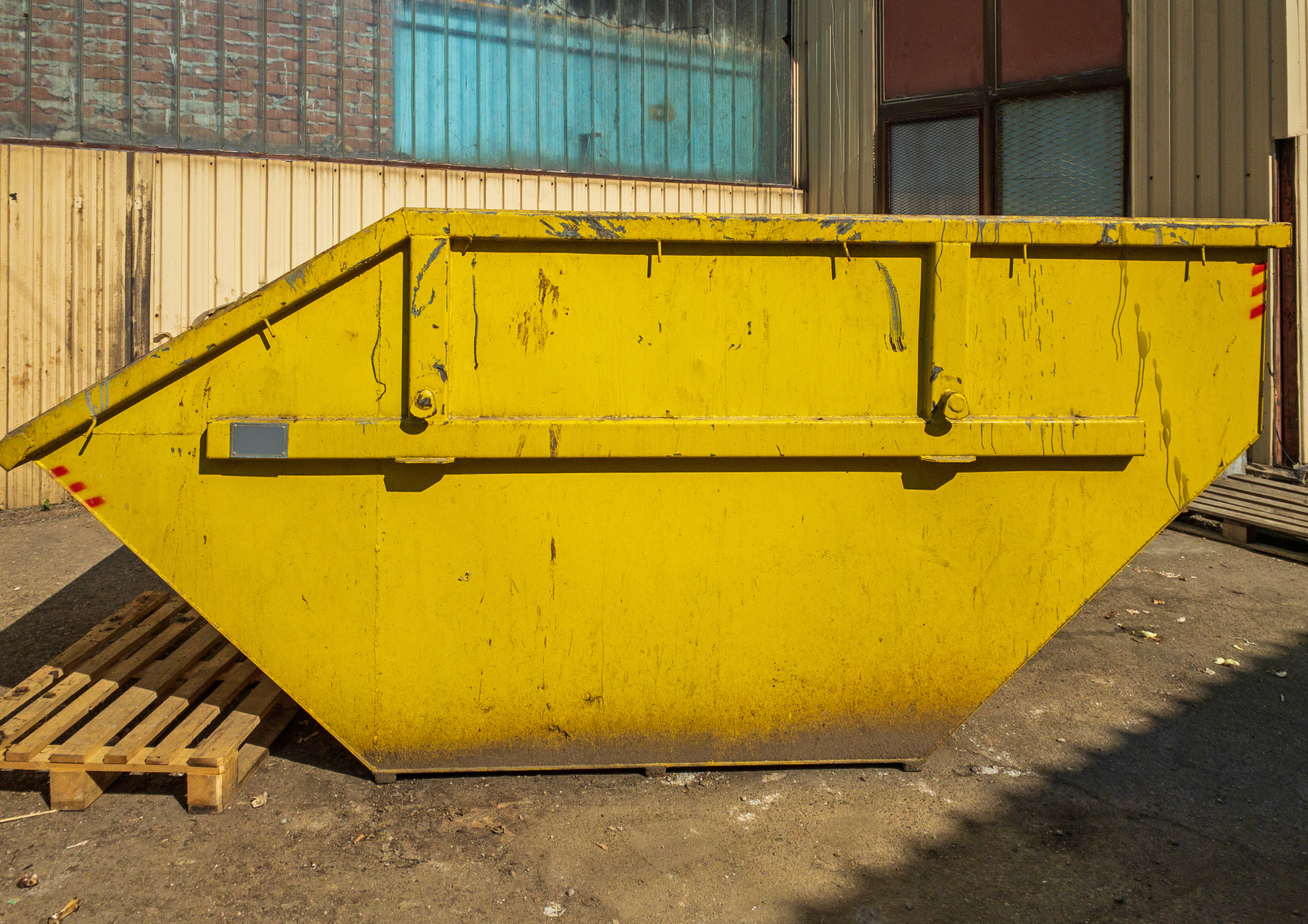

Finding the Right Skip Hire for Different Home Improvement Projects
Home improvement projects can range from a weekend decorating job to a complete property renovation, and each type of work can produce very different quantities of waste. Choosing suitable skip hire at the planning stage can make it easier to keep materials under control, maintain usable working space and avoid unnecessary disruption as the project progresses.
For homeowners, the priority may be clearing old fixtures, packaging, flooring or garden materials. Landlords could be preparing a property between tenancies, while surveyors and local authorities may be involved with more extensive residential or commercial improvement programmes. Whatever the circumstances, understanding the likely waste volume before work begins provides a useful starting point for deciding how it should be managed.
Good planning does not necessarily mean choosing the largest available container. Instead, it involves matching capacity to the scale of the job, available space and expected working schedule. Taking this practical approach can make waste removal a straightforward part of improving a property rather than another problem to resolve halfway through the work.
Matching Waste Removal to Different Home Improvement Jobs
Every home improvement project creates its own waste management requirements. Considering the scale of the work, the materials being removed and the available space around the property can help determine an appropriate solution. People searching for skip hire near me should therefore consider the requirements of the actual project rather than choosing solely according to convenience.
Decorating and Small DIY Projects
- Repainting several rooms, replacing shelves or carrying out minor repairs may produce packaging, old fittings, offcuts and unwanted household items.
- Smaller projects generally create waste gradually, making it useful to estimate how much material will actually need removing before arranging capacity.
- Keeping waste in one designated location can prevent corridors, driveways and working areas from becoming cluttered.
- Breaking down suitable bulky items can also make better use of the available space without overfilling the container.
Kitchen and Bathroom Renovations
- Removing cupboards, worktops, sanitary fittings, tiles and flooring can produce considerably more material than basic decorating work.
- Waste volume can increase quickly once old fixtures are dismantled, so planning before the refurbishment begins is particularly useful.
- Heavy materials should be considered carefully because weight can become as important as physical volume.
- Contractors and property owners should also establish which materials require separate handling rather than assuming everything can be placed together.
Garden Improvements
- Garden clearances may involve branches, hedge cuttings, soil, fencing, old sheds and general outdoor clutter.
- Bulky green material can occupy substantial space even when the overall project appears relatively small.
- Removing unwanted items before landscaping begins can create more room for equipment and new materials.
- Where different waste types are produced, separating them during the project can make the final clearance more organised.
Larger Property Improvements
- Extensions, substantial refurbishments and multi-room projects may generate waste continuously over several days or weeks.
- Planning disposal around different stages of the work can help prevent materials from accumulating faster than they can be removed.
- Surveyors, landlords and those responsible for larger properties may benefit from estimating waste requirements as part of the wider project schedule.
- Commercial premises can require additional consideration because deliveries, customer access and working hours may affect suitable placement and collection arrangements.
Taking time to identify the type of project before arranging waste removal helps establish a more realistic requirement. It also reduces the risk of choosing capacity based purely on guesswork.
Planning Waste Removal Before Improvement Work Begins
Waste management is most effective when it forms part of the original project plan. It can be tempting to begin demolition, decorating or clearance work first and decide what to do with unwanted materials later. However, this can result in piles of waste occupying driveways, gardens, rooms or access routes at precisely the time those areas are needed most.
Start by considering what will actually be removed. A kitchen project might involve cupboards, worktops, tiles, flooring and packaging from replacement units. A bedroom renovation could involve old wardrobes, carpets and decorating materials. Understanding what is likely to leave the property gives a much clearer picture of the capacity required.
Available space should then be assessed. A large driveway may provide straightforward positioning, whereas a terraced property or commercial building with restricted access may require more careful planning. The delivery vehicle also needs sufficient access to position and later collect the container. Discussing these circumstances before booking can prevent difficulties on delivery day.
For projects where conventional containers are suitable, skip bin hire can provide a central place for unwanted materials rather than allowing rubbish to become scattered around the property. Having a designated disposal point can be particularly useful when several people are working simultaneously, as everyone knows where suitable waste should be placed.
The project schedule should also influence the decision. Some household improvements are completed over a weekend, while renovations may continue for several weeks. Arranging the waste solution too early could mean using valuable hire time before significant material is produced. Leaving it too late, however, may result in clutter during the busiest stage of the work.
Customers should also consider where the container will be positioned. Placement on private property is often simpler where suitable access exists, but positioning on a public road may involve additional requirements. Checking the circumstances beforehand allows appropriate arrangements to be made rather than discovering restrictions after work has started.
Good organisation becomes particularly important for landlords, surveyors and local authorities overseeing several trades or phases of work. Establishing who is responsible for waste, when materials will be generated and when removal is expected can reduce confusion between contractors and property representatives.
The objective is not to predict every item perfectly. Instead, the aim is to create a reasonable estimate and a practical disposal plan. This provides enough flexibility for unexpected waste while preventing removal arrangements from interfering with the wider improvement programme.
Choosing an Appropriate Size Without Wasting Capacity
Choosing a suitable container requires a balance between having enough room and avoiding unnecessary unused capacity. The range of available skip bins can accommodate anything from modest household projects to larger renovation work, but the most appropriate choice depends on what is being removed rather than simply the size of the property.
Small Household Clearances
- Minor decluttering, decorating and DIY jobs often produce relatively limited quantities of waste.
- Smaller capacity can be practical when access is restricted or when only one part of the property is being improved.
- Customers should still consider bulky items because these can occupy space quickly even when there are relatively few of them.
- Estimating waste after dismantling furniture or fittings can provide a more realistic idea of the required volume.
Medium Renovation Projects
- Kitchen replacements, bathroom improvements and multi-room decorating work commonly create a mixture of fixtures, packaging and building materials.
- Medium capacity may provide a practical balance where the project generates more than everyday household waste but does not involve extensive structural work.
- Planning the order in which materials are removed can help make better use of the available space.
- Waste should remain within permitted loading levels rather than being piled beyond the container's boundaries.
Major Refurbishments
- Extensions, extensive renovations and larger property clearances can produce substantial volumes over an extended period.
- Greater capacity may reduce the frequency of collections, although the weight and type of material must still be considered.
- Larger containers require adequate positioning and vehicle access, so available space should be assessed before booking.
- Where a project has several phases, separate arrangements may sometimes be more practical than trying to accommodate everything at once.
Residential and Commercial Access
- Driveways and private land can provide convenient placement where there is sufficient room and a suitable surface.
- Restricted residential streets may require more careful consideration of delivery access and positioning.
- Commercial properties should account for staff, customers, deliveries and operational access when selecting a location.
- Discussing site conditions beforehand helps the provider understand potential obstacles and identify a practical approach.
Size selection becomes easier when customers think in terms of actual waste rather than simply choosing a familiar container size. An experienced provider can also help interpret the information supplied about the project and suggest an option that reflects the expected volume and site conditions.
Looking Beyond Price When Comparing Local Services
Cost naturally forms part of any home improvement budget, particularly when several trades, materials and services are being coordinated at the same time. However, waste removal should be assessed on overall value rather than the initial quotation alone. Comparing skip hire prices alongside service details gives customers a clearer understanding of what they are actually receiving.
A quotation should make it reasonably clear what the arrangement includes. Customers may want to establish the expected hire period, delivery arrangements, collection process and whether particular circumstances could result in additional charges. Asking these questions beforehand makes comparisons more meaningful because two apparently similar quotations may cover different levels of service.
Reliability also has practical value. If a container arrives significantly later than expected, contractors may have nowhere suitable to place removed materials. Similarly, delays in collection can affect driveway access, subsequent deliveries or the next phase of a renovation. A slightly different quotation may therefore represent better overall value when it is supported by dependable scheduling and straightforward communication.
Customer service matters as well. Homeowners undertaking their first substantial renovation may not know which capacity is appropriate or whether particular materials can be accepted. Landlords may need collection coordinated around contractors, while commercial property managers could have strict access windows. Being able to explain these requirements and receive clear guidance can simplify the entire process.
Local knowledge can be particularly useful in places such as Preston, where projects may take place across different residential streets, commercial areas and surrounding communities. Familiarity with local access conditions can support practical delivery planning, although customers anywhere in the UK should provide accurate site information when arranging a booking.
Environmental considerations are another part of responsible decision-making. Waste from property improvements can contain materials suitable for sorting and recovery, while other items may require different handling. Customers should therefore ask how their waste will be managed rather than viewing collection as the final stage of the process.
The cheapest quotation is not automatically poor value, just as a higher figure does not automatically indicate better service. When comparing skip hire, the more useful approach is to look at services on a like-for-like basis. Consider capacity, hire duration, communication, delivery arrangements, collection procedures and the provider's approach to responsible waste management.
Taking these factors together gives homeowners, landlords, surveyors and organisations a more complete basis for making a decision. Waste removal then becomes part of the overall project plan, with service quality, practicality and cost considered together rather than separately.
Skip Hire Preston provides a practical way for homeowners, landlords, surveyors, local authorities and those responsible for residential or commercial properties to arrange suitable waste removal for improvement projects of different sizes. We focus on clear communication, appropriate waste solutions and organised delivery and collection arrangements so customers can plan their work with greater confidence.
Whether the project involves a household clearance, garden improvement, refurbishment or larger building work, choosing the right skip hire option starts with understanding the expected waste volume and site conditions. Considering these details early helps customers select an appropriate solution while keeping the booking, delivery and collection process straightforward without adding unnecessary complexity.
We recognise that projects do not all follow the same timetable or produce the same amount of waste. By considering capacity, access and the nature of the work, we aim to help customers arrange a practical solution that fits their circumstances and supports responsible waste management from the beginning of the project through to final collection.
Check out our latest X update on finding the right
skip hire for different home improvement projects!
You might also like